


Cambodian lemongrass chicken is one of those dishes that just wakes up your senses—fresh herbs, bold spices, and juicy chicken all tossed together in a quick stir-fry. This traditional Cambodian recipe brings together salty, sweet, pungent, and a little bit of heat. Honestly, it’s a flavor bomb you can whip up at home without hunting down a specialty market. I love how Cambodian lemongrass chicken packs so much punch without fuss or fancy tricks.
Locals call it Cha Kroeung Sach Moan, and you’ll find it everywhere in Cambodia—from street stalls to family kitchens. The magic is in the kroeung paste: you fry it up first, let those aromas hit the air, then toss in the chicken. Recipes shift a bit depending on where you are or who’s cooking—sometimes royal Khmer cuisine sneaks in pricier spices, but the heart of the dish stays the same.
If you’re short on time, this dish is your friend. Once you’ve got your ingredients ready, Cambodian lemongrass chicken comes together fast. I’ll break down what you need, how to prep it, and a few ideas for what to serve alongside, so you can get a taste of Cambodia on a busy weeknight.

Essential Ingredients for Cambodian Lemongrass Chicken
It all starts with fresh lemongrass, the right herbs, and a balance of savory seasonings. I always reach for quality chicken pieces and try to keep things as close to Cambodian flavors as I can.
Key Herbs and Aromatics
Lemongrass is the real star here. I grab 3-4 stalks, peel away the tough bits, and mince up the tender white and light green parts. That’s where the flavor lives.
Garlic and shallots layer in more depth. I usually go with 4-5 garlic cloves and 2-3 shallots, all minced or smashed into a paste. Ginger or galangal adds that warm, peppery kick and works beautifully with the lemongrass.
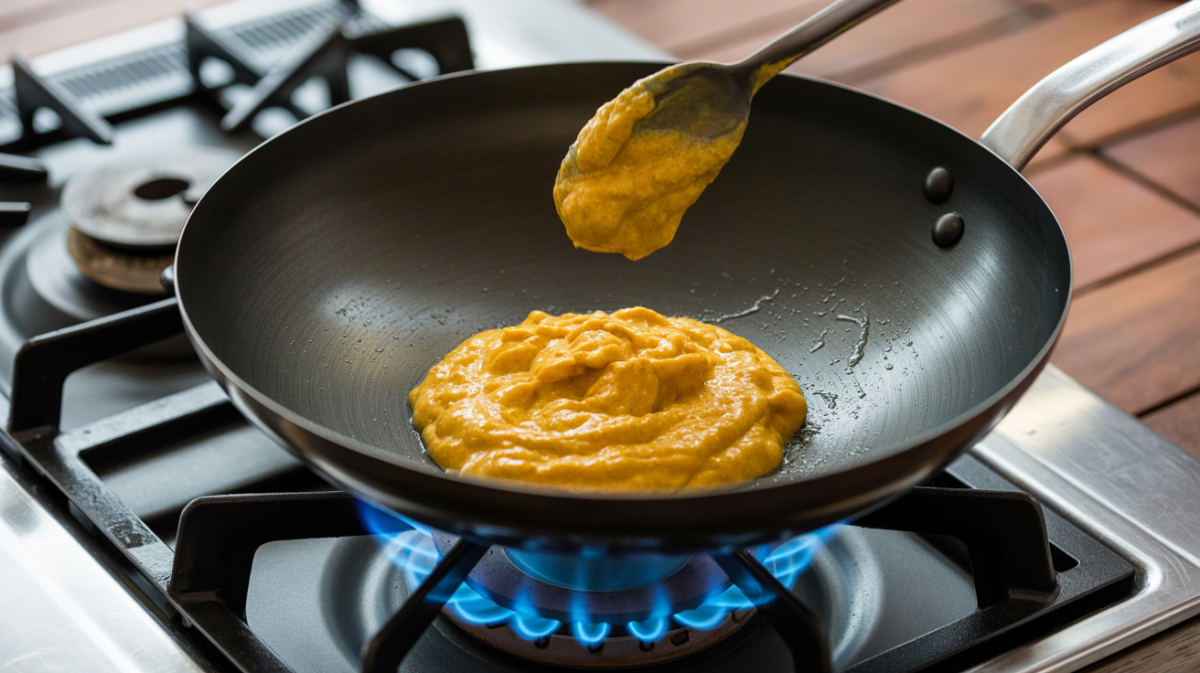
The Cambodian yellow kroeung paste is what makes Cambodian lemongrass chicken unmistakable. It’s a blend of lemongrass, turmeric, galangal, and kaffir lime leaves. If I can get cilantro stems and roots, I toss them in too—they add a fresh, earthy note.
Red chilies bring the heat. I play it by ear, using 1-3 Thai chilies depending on my mood and spice tolerance.
Protein Selection and Preparation
I always go for boneless, skinless chicken thighs—they’re forgiving, stay juicy, and soak up marinade like a sponge.
If you want something leaner, chicken breast is fine, just dice it smaller so it won’t dry out. Some folks use chicken wings on skewers, which is fun for grilling and looks great.
I chop the chicken into 1-inch cubes. This makes sure everything cooks evenly and the marinade gets into every bite. I let the chicken marinate for at least 30 minutes, but if I remember, I’ll let it go for a couple of hours—makes a big difference in flavor.
Sauces and Seasonings
Fish sauce is non-negotiable in Cambodian lemongrass chicken. I use 2-3 tablespoons, but brands vary, so taste as you go.
Sugar is important too. I add 1-2 teaspoons of palm sugar (or white sugar if that’s all I have) to mellow things out and add a gentle sweetness.
Soy sauce deepens the flavor and adds color—just a tablespoon, or tamari if you need gluten-free. Oyster sauce is an optional extra for more umami.
Right before serving, I like to squeeze half a lime over the top for brightness. And don’t forget 2-3 tablespoons of vegetable oil for stir-frying—Cambodian lemongrass chicken needs that quick, high heat to get the flavors just right.

Step-by-Step Cooking Method
For the Kroeung Paste
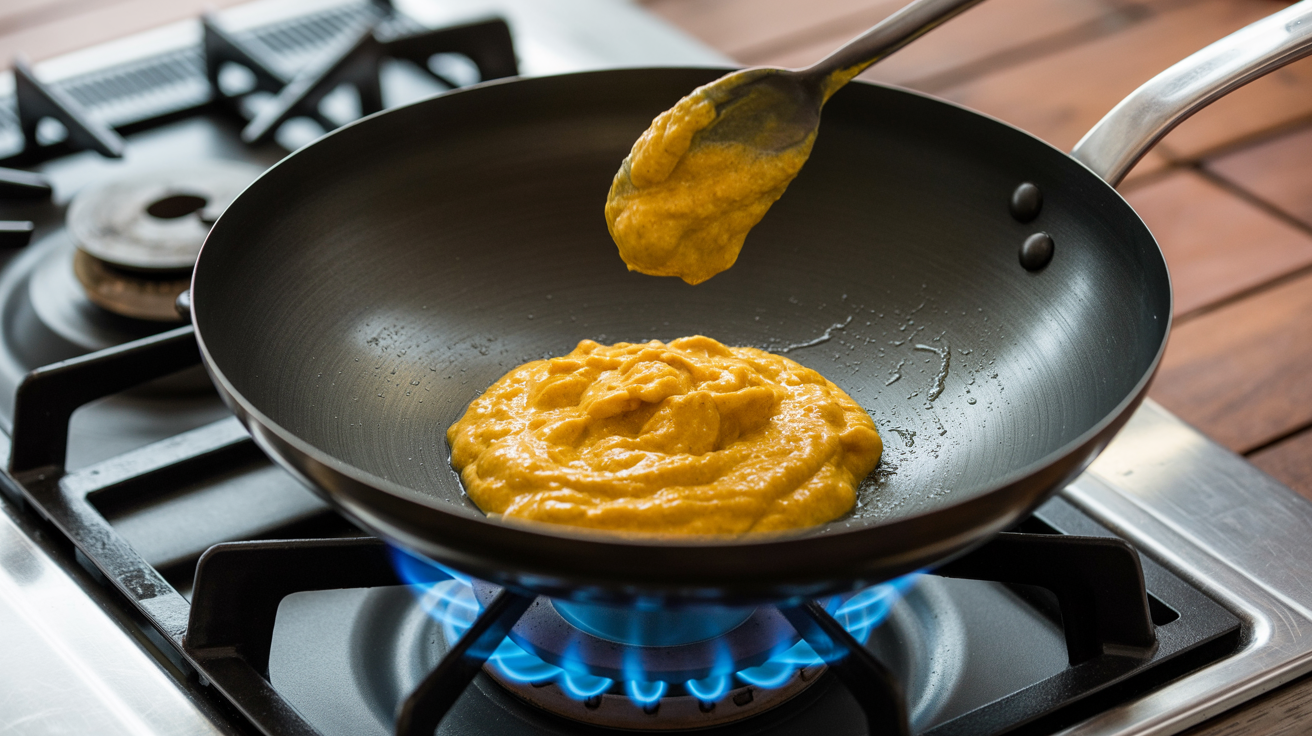
Step 1: Add the prepared kroeung paste to the wok. Stir-fry for a further 2 minutes so the paste cooks through and the raw aroma reduces.
For the Chicken and Veggies
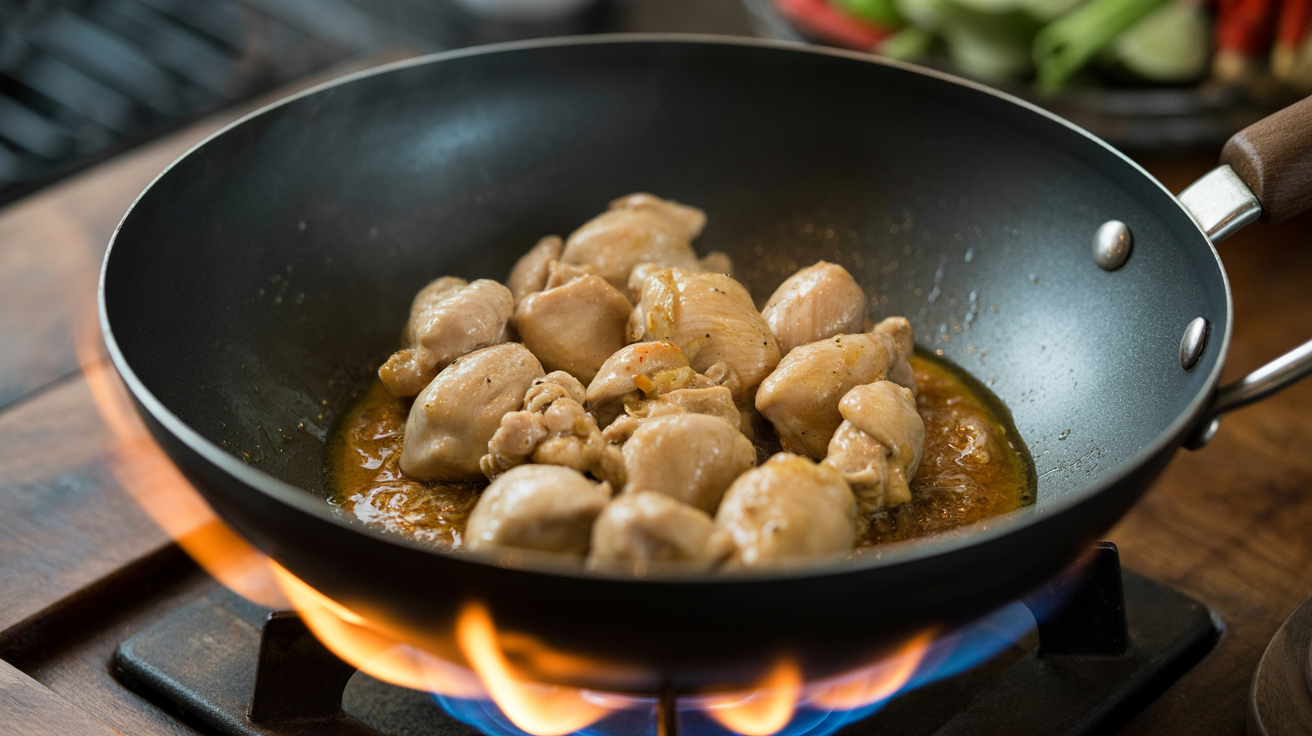
Step 1: Add chicken, sugar, and shrimp paste: Add the chicken pieces, sugar, and shri mp paste to the wok.
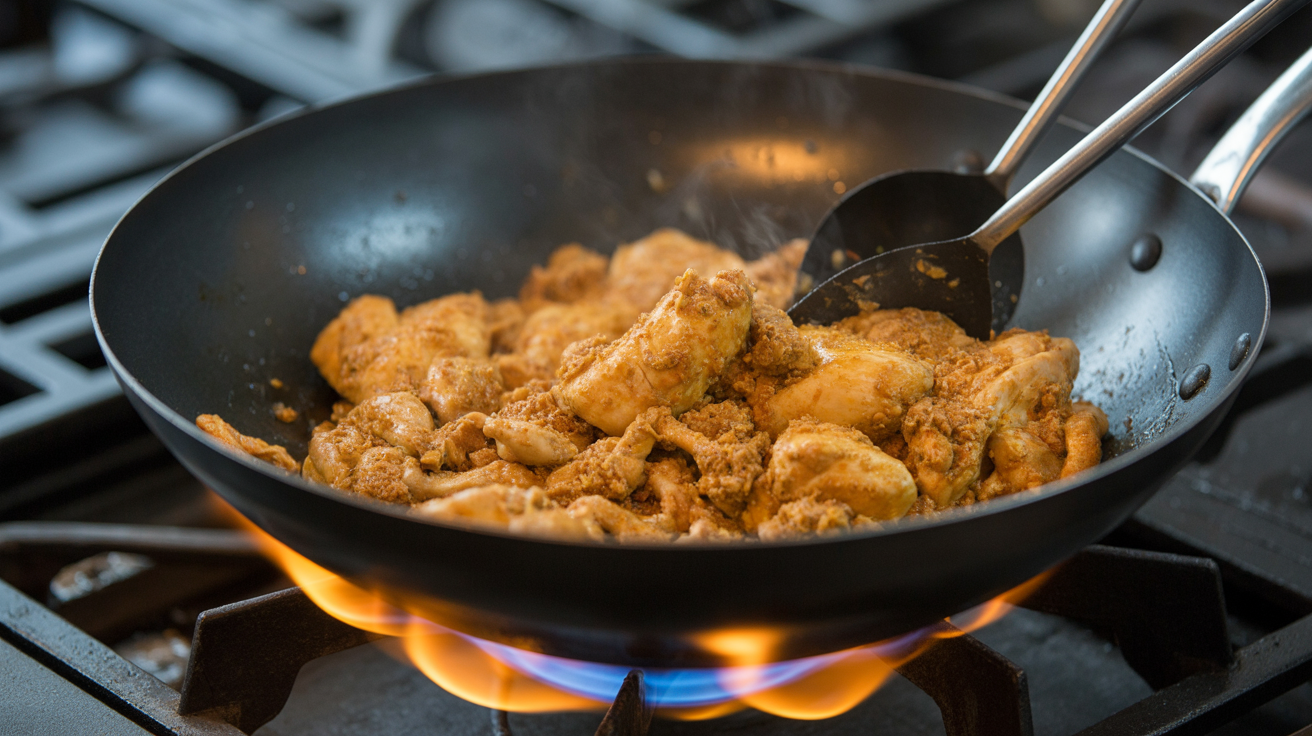
Step 2: Stir-fry for 4–5 minutes, keeping the ingredients moving, until the chicken is cooked through and evenly coated with the paste.
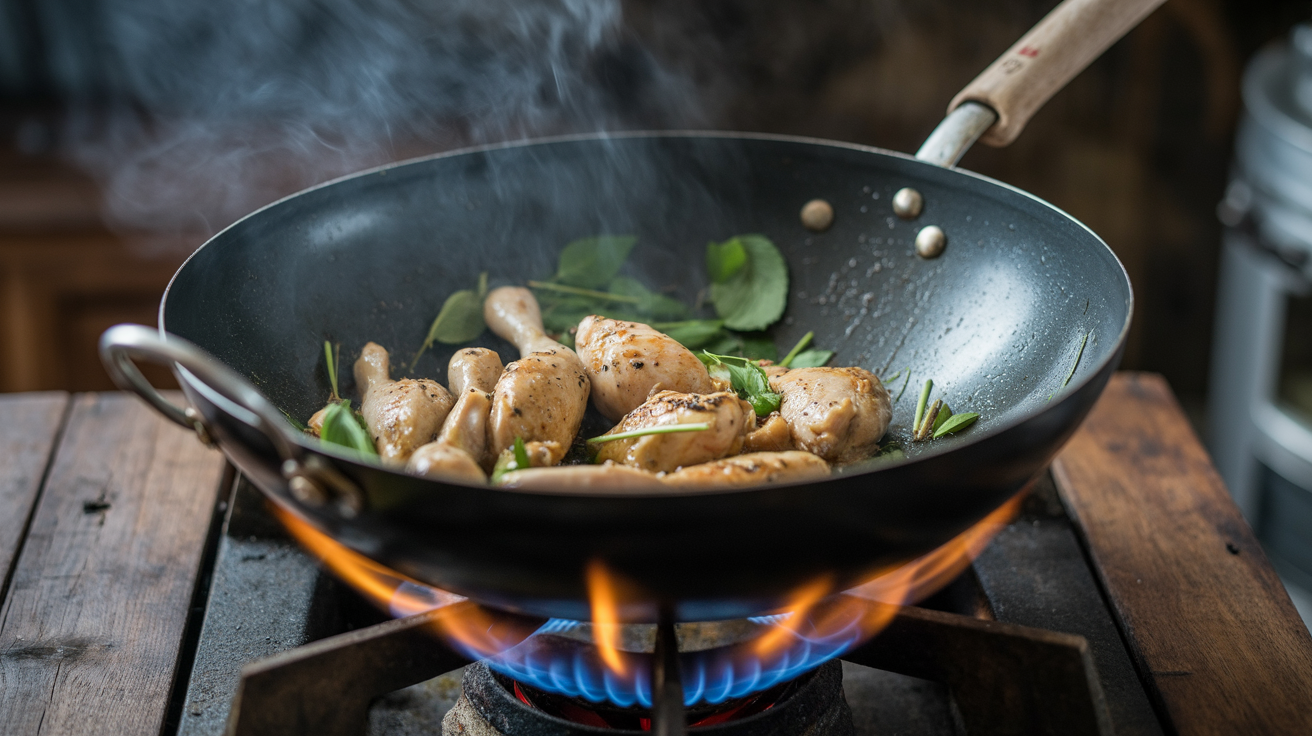
Step 3: Season with tamarind and herbs: Add the tamarind, Thai basil, and chillies to the wok. Season with a dash of white pepper and a little salt to taste. Stir everything together briefly so the flavors combine.
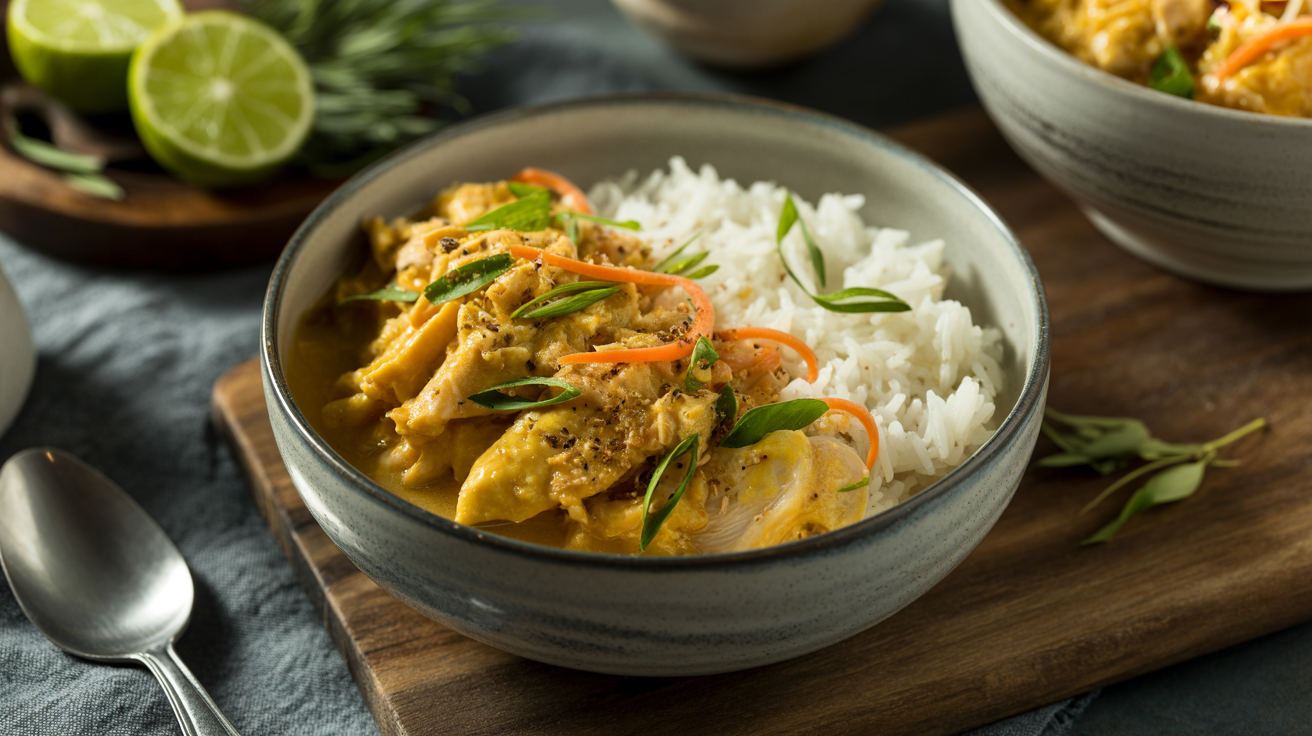
Step 4: Finish and serve: Remove the wok from the heat. Squeeze a little lime juice over the stir-fry just before serving. Serve immediately with fluffy jasmine rice.
How to Make Lemongrass Paste
I grab 3-4 stalks of lemongrass, 4 garlic cloves, 2 shallots, a thumb of galangal or ginger, and 2-3 Thai chilies. I slice the white and pale green parts of the lemongrass thin and toss everything into my food processor or mortar and pestle.
With a food processor, I pulse until smooth. If I’m pounding by hand, it takes 5-7 minutes to get a paste. I mix in a tablespoon of fish sauce and a teaspoon of sugar right into the paste. Sometimes I’ll add turmeric or kaffir lime leaves if I’m feeling fancy. It should smell sharp and fresh when you’re done.
Marinating the Chicken
I cut up 1.5 pounds of chicken thighs into bite-sized pieces. Thighs just hold up better in this dish.
I coat the chicken with 3-4 tablespoons of the lemongrass paste, making sure everything’s covered. I let it sit for at least 30 minutes (room temp), or up to 4 hours in the fridge if I have the time.
Before I cook, I drizzle on a tablespoon of oil and mix it in. That keeps things from sticking when I stir-fry.
Pan-Frying Techniques
I heat up my wok or a big skillet until it’s almost smoking. Then I add 2 tablespoons of oil and swirl it around.
Chicken goes in as a single layer—sometimes I have to do two batches so I don’t overcrowd the pan. I let it sear for a minute or two before stirring, so it gets a nice golden crust. Then I stir-fry for about 5-7 minutes, just until the chicken’s cooked through and the paste starts to caramelize.
If I want extra veggies, I’ll throw in some sliced bell peppers or long beans for the last couple of minutes. The finished Cambodian lemongrass chicken should taste salty, sweet, and have a little kick.
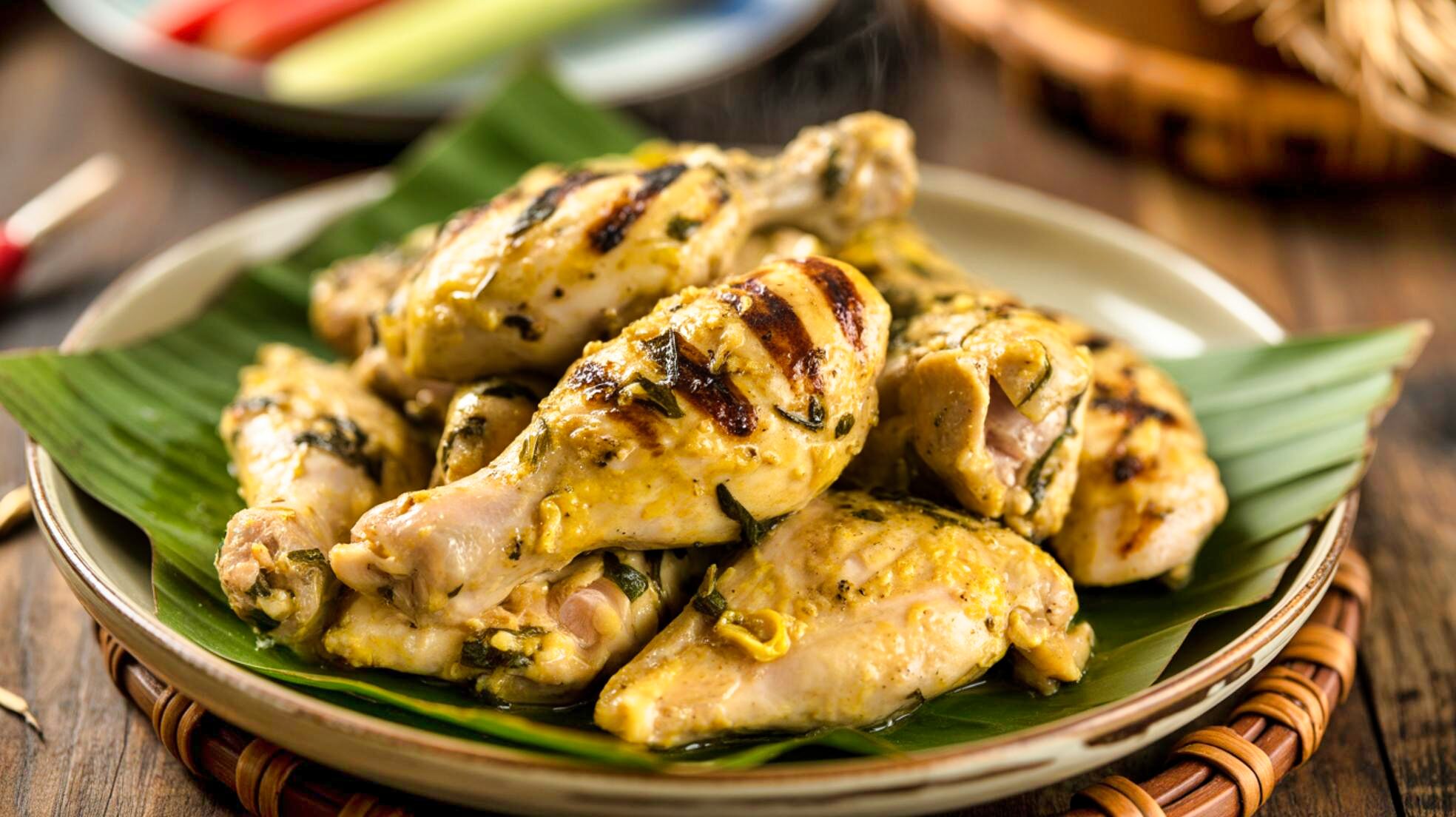
Serving Suggestions and Accompaniments
My go-to is serving Cambodian lemongrass chicken with steamed jasmine rice and crisp veggies. The right sides and a little attention to plating really turn Cambodian lemongrass chicken into a showstopper meal.
Recommended Side Dishes
Steamed jasmine rice is a must. It soaks up the sauce and balances out all those intense flavors in Cambodian lemongrass chicken.
For veggies, I like:
- Cucumber slices—they’re cool and crunchy
- Pickled vegetables—for a bit of tang
- Stir-fried bok choy—mild and slightly sweet
- Green beans—love that snap
Sometimes I’ll start with a light Cambodian sour soup, or throw together a quick salad with lime dressing. The veggies help cut through the richness and keep things interesting.
Presentation Tips
I usually pile the Cambodian lemongrass chicken right on top of the rice—lets the sauce sink in right away.
Chicken goes in the middle, rice around the edges, and fresh veggies on the side. I like using white plates so the colors really pop.
For family-style, I’ll put the chicken in a big shallow bowl and the rice in a separate dish. Cambodian lemongrass chicken tastes best hot and fresh, straight out of the pan, so don’t let it sit around too long.
Garnishes That Enhance Flavor
I always finish every plate with fresh cilantro leaves and thinly sliced green onions. These herbs just bring a pop of color and a burst of freshness that Cambodian lemongrass chicken really needs.
Here are my go-to garnishes:
- Fresh lime wedges for squeezing
- Thai basil leaves for some aromatic depth
- Sliced red chilies if you want heat
- Crushed peanuts for a little crunch
I like to squeeze a wedge of lime over the Cambodian lemongrass chicken right before digging in. It just wakes up all those citrus notes from the lemongrass. Thai basil brings this subtle, sweet, almost anise-like flavor that I think pairs perfectly with the savory chicken. If you’re into spice, toss on some fresh chilies—though honestly, Cambodian lemongrass chicken is flexible enough to handle whatever heat level you want. And don’t forget the peanuts; they give Cambodian lemongrass chicken a satisfying texture that keeps each bite interesting. Not sure why, but this combo just works, and Cambodian lemongrass chicken never feels complete without these finishing touches.

Lemongrass Chicken vs Vietnamese Lemongrass Chicken
Cambodian lemongrass chicken and Vietnamese lemongrass chicken both highlight the bright, citrusy flavor of lemongrass, but they differ in sweetness, intensity, and seasoning style.
Cambodian lemongrass chicken is typically marinated with kroeung, which includes lemongrass along with herbs and spices like turmeric and garlic. The flavor is fresh, herbal, and well-balanced, with a focus on aromatic depth rather than sweetness. It is often grilled or stir-fried, allowing the marinade to enhance the natural flavor of the chicken without overpowering it.
Vietnamese lemongrass chicken, on the other hand, tends to be more pronounced in flavor. It commonly includes sugar and fish sauce in the marinade, creating a stronger balance of sweet, salty, and savory elements. When cooked, the chicken often develops a caramelized exterior, adding both texture and intensity.
The main difference is herb-forward subtlety versus sweet-savory contrast: Cambodian versions are lighter and more aromatic, while Vietnamese versions are bolder and slightly sweeter.
Choose Cambodian lemongrass chicken if you prefer clean, herbal flavors. Go with Vietnamese lemongrass chicken if you enjoy a more intense, caramelized, and flavor-packed dish.
Cambodian Lemongrass Chicken Recipe FAQ
1. What gives lemongrass chicken its flavor?
Fresh lemongrass provides a citrusy, aromatic flavor.
2. How is lemongrass prepared for cooking?
The tough outer layers are removed, and the inner stalk is finely chopped.
3. Is this dish grilled or stir-fried?
It can be either, depending on the recipe.
4. What sauces are used in lemongrass chicken?
Fish sauce, soy sauce, and garlic are commonly used.
5. What is served with lemongrass chicken?
Steamed rice or fresh vegetables.

Cambodian Lemongrass Chicken
Ingredients
- 2 lemongrass stalks
- 2 shallots chopped
- 5 galangal slices
- ½ tsp turmeric powder
- 4 garlic cloves peeled
- 3 lime leaves kaffir
- 2 tbsp coconut oil
- ½ onion diced
- 2 chicken breasts (cut into 1-inch/2cm slices)
- 1 tsp sugar
- 1 tsp shrimp paste
- 1 tbsp fish sauce
- 1 tbsp tamarind concentrate
- 1 cup basil
- ¼ tsp white pepper
- ¼ tsp salt
- 1 lime (cut in half)
- 2 chillies
Instructions
- Add the prepared kroeung paste to the wok. Stir-fry for a further 2 minutes so the paste cooks through and the raw aroma reduces.
- Add chicken, sugar, and shrimp paste: Add the chicken pieces, sugar, and shri mp paste to the wok.
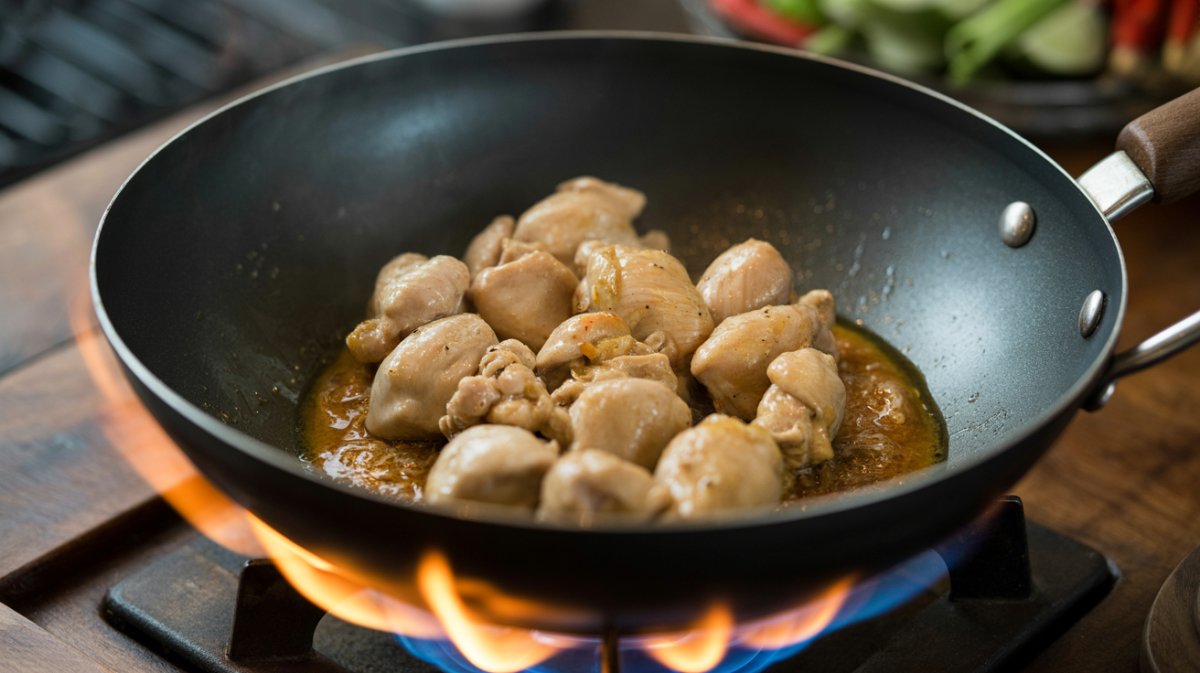
- Stir-fry for 4–5 minutes, keeping the ingredients moving, until the chicken is cooked through and evenly coated with the paste.
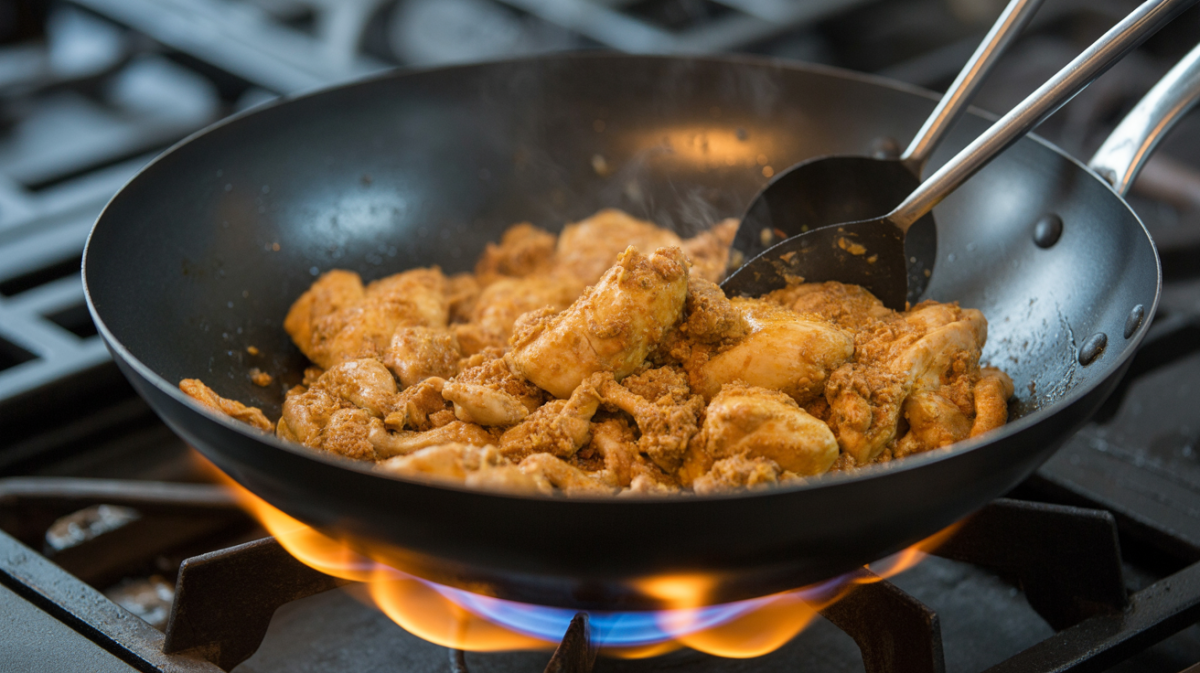
- Season with tamarind and herbs: Add the tamarind, Thai basil, and chillies to the wok. Season with a dash of white pepper and a little salt to taste. Stir everything together briefly so the flavors combine.
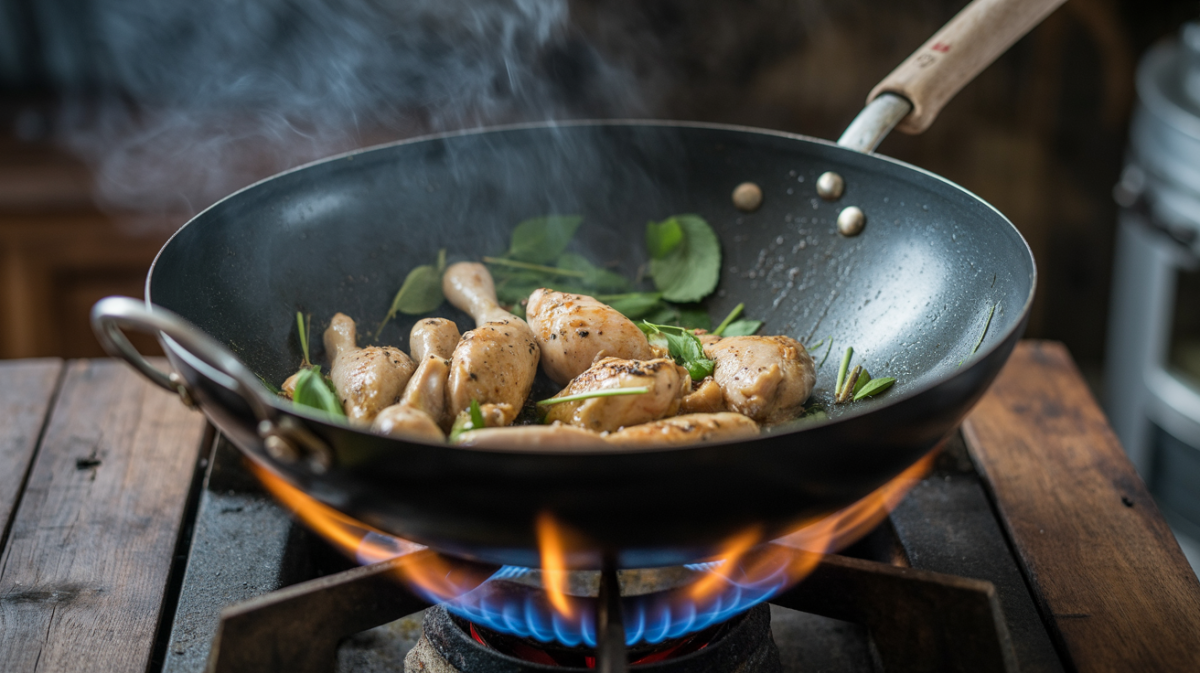
- Finish and serve: Remove the wok from the heat. Squeeze a little lime juice over the stir-fry just before serving. Serve immediately with fluffy jasmine rice.

Video

10 comments
Does anyone else think that tofu might work as a protein substitute in this Cambodian lemongrass chicken recipe? Just a wild thought!
Absolutely not! Tofu cant replace the rich flavors of chicken in this recipe!
Does anyone know if theres a vegetarian alternative for the protein in this Cambodian Lemongrass Chicken recipe? Tofu maybe?
Absolutely! Tofu can be a great substitute. You can also try tempeh or seitan.
Interesting read! Do you think substituting tofu for chicken would still capture the essence of the Cambodian lemongrass chicken recipe?
Surely not! Tofu cant capture the unique taste of chicken. Its not a suitable substitute.
Has anyone tried this recipe with tofu instead of chicken? Wondering if it would hold up to the robust flavors.
Tried it with tofu, its a disaster! You cant beat chicken in this recipe.
Does anyone think substituting tofu for chicken in the Cambodian Lemongrass recipe would still capture its authentic taste?
Tofu wont provide the same flavor profile as chicken. Its a Cambodian dish, keep it authentic!
Comments are closed.