


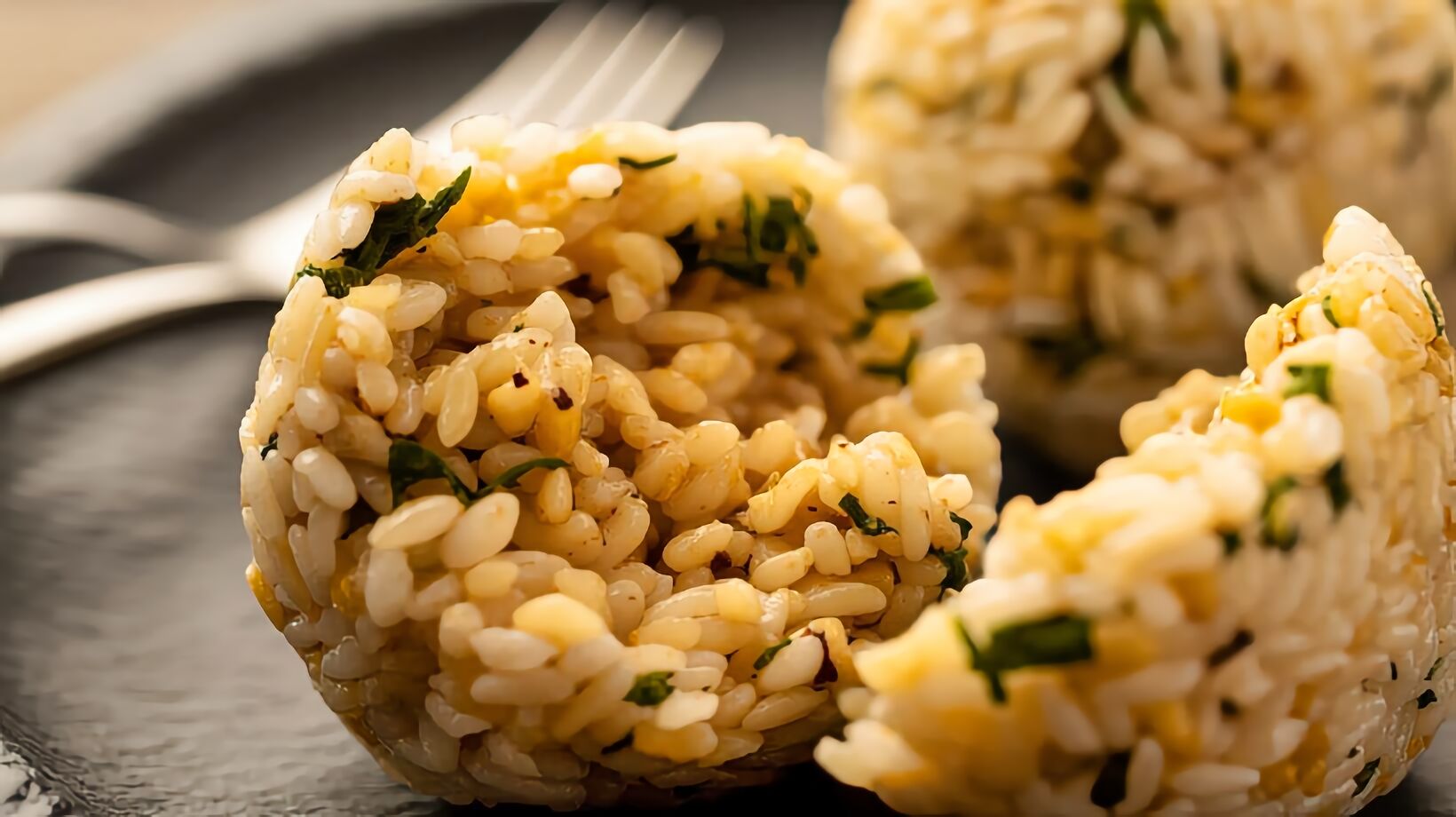
I’m genuinely excited to share one of Albania’s most charming comfort foods with you. Qifqi are traditional Albanian rice balls from Gjirokastër that mix cooked rice, fresh herbs like mint and oregano, and eggs, then get pan-fried until golden brown. They’re crispy outside, tender inside, and loaded with aromatic flavors—just the kind of snack or party food that disappears fast at any gathering.
What gets me about this Albanian qifqi recipe is how simple it is, yet the results are so impressive. The dish started as a clever way to use leftover rice in Gjirokastër, but now it’s a staple at celebrations and everyday tables across Albania. It’s easy, but there’s something almost magical about it.
I’ll walk you through making authentic qifqi at home. You’ll get a peek at the history, learn which ingredients and tools matter most, and pick up tips for that perfect golden crust. If you’ve ever wanted to try a true Albanian qifqi recipe, this is your moment.

What Is Qifqi? The History And Uniqueness Of Albanian Rice Balls
Qifqi are golden-brown rice balls, full of herbs and spices, from southern Albania. These Albanian rice balls have roots in Gjirokastër, a city known for its stone architecture and castle, and they stand out with their use of mint and a special cooking method. There’s something about that combination that makes the Albanian qifqi recipe unique compared to other rice ball dishes.
Origins In Gjirokastër
I found out that qifqi comes from Gjirokastër, a historic city in southern Albania. The place is famous for fortress-like buildings and is a UNESCO World Heritage site. There’s a real sense of tradition and pride in every batch of qifqi made there.
Generations have passed this dish down in the region. Qifqi is considered the national dish of Gjirokastra and remains a point of pride for locals. For a long time, the Albanian qifqi recipe stayed mainly in the south before spreading throughout the country.
Families in Gjirokastër use a customized frying pan made just for shaping these rice balls. That special tool gives qifqi their perfect round shape and makes them instantly recognizable. I wish every kitchen had one.
Traditional Role In Albanian Cuisine
Qifqi has been a staple of Gjirokastër’s cuisine for generations and really shows off the simplicity of Balkan food. The dish was made to feed hungry folks with humble ingredients like rice, eggs, and herbs. It’s a dish that celebrates making something wonderful from very little.
Traditional qifqi is often served during festive occasions as an appetizer or snack. It brings people together during celebrations in a way that’s hard to describe. The Albanian qifqi recipe is a great example of turning pantry basics into something special.
In Albanian cuisine, these rice balls are a symbol of resourcefulness and hospitality. They’re more than just food; they’re a piece of local identity. That’s probably why people keep making them, year after year.

Essential Ingredients And Tools For Authentic Qifqi
Making authentic qifqi from Albania needs a few specific ingredients and tools to get that true flavor and texture. With the right staples, aromatic herbs, and a traditional pan, you’ll turn plain rice into something memorable. The Albanian qifqi recipe keeps it simple but delivers big on taste.
Key Ingredients And Their Roles
I love how the Albanian qifqi recipe only calls for a handful of core ingredients. Rice is the backbone here. You want medium or short-grain rice so the balls stick together nicely.
Eggs act as the binder and keep the mixture together. They’re essential for helping the rice balls hold their shape in the pan. I usually go with 2-3 eggs per cup of uncooked rice, but sometimes I eyeball it if the mixture looks right.
Water or broth cooks the rice and adds moisture. Some folks add a little flour for extra binding, and salt brings the whole thing to life. It’s a simple base, but it works.
The basic qifqi recipe uses butter and olive oil for frying. That combo gives the rice balls a beautiful golden crust and a rich flavor. You can’t really skip this step if you want the real deal.
Unique Herbs And Flavorings
Mint is the star in traditional qifqi from Gjirokastër. Dried mint powder works best because it spreads evenly in the rice. It’s what makes the Albanian qifqi recipe stand out from the rest.
Dill (fresh or dried) adds another herby note that I really enjoy. Some people throw in parsley for a bit of extra brightness.
Black pepper gives a subtle kick, but it’s not overpowering. Garlic usually goes in the yogurt sauce, not the rice balls themselves. Feta cheese on top is the finishing touch—salty, tangy, and just right with the herbs.
Special Molds And Equipment
The customized frying pan for qifqi is a game-changer if you have one. It’s got round indentations that make the perfect ball shape every time.
If you don’t have the traditional pan, a takoyaki pan or an aebleskiver pan works great. Both have round molds that do the trick.
No fancy pan? Just shape the mixture by hand and fry in a regular skillet. You’ll need a mixing bowl, a pot for rice, and a slotted spoon for turning the balls as they cook. Nothing too complicated.

Step-By-Step Guide: How To Make Traditional Albanian Qifqi

Step 1: Cook the rice: Pour 2 cups of water into a medium saucepan and bring it to a boil over medium-high heat. Once boiling, add the rice in an even layer. Give it one brief stir, then reduce the heat to low, cover tightly with a lid, and let it cook undisturbed until the rice has absorbed all of the water, about 15 minutes. Take the pan off the heat, keep it covered for a few minutes, then uncover and let the rice cool to room temperature. The grains should be dry and fluffy, not wet or sticky.

Step 2: Prepare the egg mixture: In a large mixing bowl, crack 4 eggs. Add the chopped mint, a good pinch of black pepper, and salt to taste. Beat the eggs with a whisk or fork until the yolks and whites are fully blended and the herbs and seasoning are evenly distributed.

Step 3: Combine rice and eggs: Add the cooled rice to the bowl with the egg mixture. Use a spoon or your hands to mix thoroughly until every grain of rice is well coated in egg. The mixture should be moist and cohesive, but not runny. If any clumps of rice remain, break them up as you mix.

Step 4: Prepare the molded pan: Place your molded pan (such as a pancake puff pan, muffin-style pan, or similar with multiple cavities) over low to medium-low heat to warm up gradually. Once the pan is warm, lightly brush the inside of each cavity with olive oil, making sure the bottoms and sides are coated so the rice won’t stick.

Step 5: Fill the cavities: Using an ice cream scoop or similar measuring scoop, portion the rice mixture and fill each cavity of the pan. Level the tops gently with the back of the scoop or a spoon so the rice sits evenly and makes good contact with the pan for even browning.

Step 6: Cook until golden and crispy: Cover the pan with a lid to trap the heat. Cook over low heat for 5–10 minutes on the first side, or until the bottoms are golden and the rice cakes hold together firmly. Carefully turn each rice portion to cook the other side—using a spoon or small spatula—and cook for another 5–10 minutes until the second side is also golden and crispy. Adjust the heat as needed so they brown slowly without burning.

Step 7: Serve: Remove the crispy rice cakes from the pan and place them on a serving plate. Serve hot with ajvar or your favorite Balkan vegetable spread on the side.
Preparing The Rice Mixture
I always start by cooking my rice in chicken broth—it just adds so much flavor. Plain water works, but broth is better if you ask me. When the rice is done and still warm, I dump it into a big bowl and add my beaten eggs.
The eggs help everything stick together, so don’t skip them. I mix in dried mint, and sometimes fresh dill and parsley if I have them. Sautéed onion and garlic go in too, chopped super fine.
I season with salt and black pepper, then add a bit of flour and grated Parmesan for extra hold. The mixture should feel thick enough to shape but not dry or crumbly. If it’s too loose, a little more flour does the trick.
Shaping And Binding The Rice Balls
Let the rice mixture cool until you can handle it comfortably. If it’s hot, the balls just fall apart. I grab a tablespoon of the mixture and roll it between my palms, packing each ball tightly.
Each one should be about the size of a walnut or golf ball. If the mixture feels too loose, I’ll add a touch more flour; if it’s cracking, another egg usually fixes it. It takes a little practice, but you’ll get the hang of it after a few tries.
I line the finished balls up on a plate as I go. This Albanian rice ball recipe usually makes 20-25 balls, depending on how big you roll them. It’s a satisfying process, honestly.
Cooking For The Perfect Golden Crust
Traditionally, qifqi are cooked in a special pan, but I just use a regular frying pan with olive oil. I heat the oil over medium until it’s shimmering. Then I carefully place the rice balls in—don’t crowd the pan or they won’t cook evenly.
I fry them for about 3-4 minutes per side, turning gently with a spoon. They’re ready when golden brown and crispy on the outside. The inside stays soft, which is the best part.
I scoop them out with a slotted spoon and let them drain on paper towels. Serve them warm, as an appetizer or side dish. They’re perfect for parties or just snacking while standing in the kitchen.
Tips, Serving Suggestions, And Creative Variations
Getting your qifqi just right takes a little practice, but it’s worth every try. I like to experiment with different flavors and serving styles to keep this Albanian qifqi recipe interesting. Sometimes, you find a new favorite twist by accident.
Texture, Seasoning, And Troubleshooting Tips
The rice texture is everything for qifqi. I cook my rice until just tender, then let it cool before mixing in herbs and eggs. If the mixture’s too wet, I add flour or breadcrumbs; if it’s dry, a beaten egg brings it back together.
Seasoning is where you can get creative. Mint and dill are classic, but I always taste the mixture before shaping to make sure the herbs shine through. Salt matters—since you’re seasoning the whole ball, not just the outside.
If my qifqi fall apart, it’s usually because I didn’t let the rice cool enough or I didn’t press them firmly. I shape each ball tightly, making sure there are no cracks. The right consistency is firm but still tender when you bite in.
Traditional Accompaniments And Dips
I never skip a tangy yogurt sauce on the side. Just mix plain Greek yogurt with minced garlic, lemon juice, and a pinch of salt. The cool, creamy dip balances the warm, herby rice balls in the best way.
Crumbled feta cheese is a must for topping. I sprinkle it over the hot qifqi so it melts just a little. Some people serve these with tomato sauce or ajvar, too—both work great.
For a complete meal, I pile the rice balls on a platter with cucumber, tomatoes, and olives. It looks beautiful and really celebrates the Albanian qifqi recipe at its best. If you haven’t tried it yet, what are you waiting for?
Modern Twists And Ingredient Variations
Vegetarian versions using lentils and mushrooms instead of meat give the Albanian Qifqi recipe a heartier, earthier flavor. I usually sauté the mushrooms first, just to get rid of that extra moisture, then toss them with cooked lentils for a solid protein boost. This take on the Albanian Qifqi recipe feels both comforting and fresh, especially when you want something a little different.
If you love cheese, try tucking a small cube of mozzarella or kasseri into the center before frying—trust me, it’s a gooey surprise that reminds me of arancini. Sometimes I’ll add sun-dried tomatoes or roasted garlic to the rice mixture, and honestly, a handful of spinach never hurts either. The Albanian Qifqi recipe is pretty forgiving, so don’t be afraid to play around with flavors and colors.
Some people bake their Albanian Qifqi recipe instead of frying to cut down on oil, and I get the appeal. I’ll brush them with olive oil, bake at 400°F for about 25 minutes, and flip them halfway through. The result? Crispy outside, light and fluffy inside—definitely a win for anyone looking to tweak the classic Albanian Qifqi recipe.

Qifqi vs Arancini
Qifqi and Arancini are both rice-based dishes, but their preparation methods and flavor profiles make them quite distinct.
Qifqi is a traditional Albanian dish from Gjirokastër made with cooked rice, eggs, herbs (especially mint), and sometimes a touch of cheese. The mixture is shaped into small balls or patties and baked rather than fried. This results in a lighter texture with a slightly crisp exterior and a soft, herb-infused interior.
Arancini, originating from Italy, are deep-fried rice balls typically filled with mozzarella, ragù, or peas. They are coated in breadcrumbs and fried until golden and crispy, creating a crunchy outer shell with a rich, gooey center.
The key difference is cooking method and richness: Qifqi is baked and herb-forward, while Arancini is fried and indulgent.
If you’re looking for a lighter, savory dish with fresh herbal notes, Qifqi is the better option. If you want something crispy, cheesy, and more indulgent, Arancini is the clear winner.
Albanian Qifqi Recipe FAQ
1. What is qifqi made of?
Rice mixed with herbs like mint and baked into balls.
2. What region is qifqi from?
It originates from southern Albania.
3. Is qifqi vegetarian?
Yes, it is typically vegetarian.
4. How are qifqi cooked?
They are baked rather than fried.
5. What is qifqi served with?
Yogurt or salad.

Albanian Qifqi
Ingredients
- 1 cup rice
- 4 eggs
- 1 tsp dried mint
- ½ tsp black pepper ground
- 1 ½ tsp salt or more to taste
- 2 cups olive oil
Instructions
- Cook the rice: Pour 2 cups of water into a medium saucepan and bring it to a boil over medium-high heat. Once boiling, add the rice in an even layer. Give it one brief stir, then reduce the heat to low, cover tightly with a lid, and let it cook undisturbed until the rice has absorbed all of the water, about 15 minutes. Take the pan off the heat, keep it covered for a few minutes, then uncover and let the rice cool to room temperature. The grains should be dry and fluffy, not wet or sticky.

- Prepare the egg mixture: In a large mixing bowl, crack 4 eggs. Add the chopped mint, a good pinch of black pepper, and salt to taste. Beat the eggs with a whisk or fork until the yolks and whites are fully blended and the herbs and seasoning are evenly distributed.

- Combine rice and eggs: Add the cooled rice to the bowl with the egg mixture. Use a spoon or your hands to mix thoroughly until every grain of rice is well coated in egg. The mixture should be moist and cohesive, but not runny. If any clumps of rice remain, break them up as you mix.

- Prepare the molded pan: Place your molded pan (such as a pancake puff pan, muffin-style pan, or similar with multiple cavities) over low to medium-low heat to warm up gradually. Once the pan is warm, lightly brush the inside of each cavity with olive oil, making sure the bottoms and sides are coated so the rice won’t stick.

- Fill the cavities: Using an ice cream scoop or similar measuring scoop, portion the rice mixture and fill each cavity of the pan. Level the tops gently with the back of the scoop or a spoon so the rice sits evenly and makes good contact with the pan for even browning.

- Cook until golden and crispy: Cover the pan with a lid to trap the heat. Cook over low heat for 5–10 minutes on the first side, or until the bottoms are golden and the rice cakes hold together firmly. Carefully turn each rice portion to cook the other side—using a spoon or small spatula—and cook for another 5–10 minutes until the second side is also golden and crispy. Adjust the heat as needed so they brown slowly without burning.

- Serve: Remove the crispy rice cakes from the pan and place them on a serving plate. Serve hot with ajvar or your favorite Balkan vegetable spread on the side.

Video


15 comments
Anyone else think theres a correlation between the unique texture of Qifqi and Gjirokastërs mountainous environment? Just a thought!
Interesting thought, but correlation doesnt always mean causation. Any concrete evidence?
Does anyone think qifqi could be the next big global food trend, like sushi or tacos? Its so unique and tasty!
Interesting read! But, does anyone know if Qifqi is similar to Italian Arancini? They both seem to be rice-based dishes.
Interesting read! But isnt there a theory that Qifqi originally had Greek origins? Would love to hear thoughts on this.
Greek origins? Doubtful! Qifqi is a proud Albanian tradition, not a Greek import.
Ever wondered if the Qifqis origins play a role in its unique flavor profile? Maybe its all in the Gjirokastër water!
Has anyone tried swapping parsley for cilantro in the Qifqi recipe? Curious how itd alter the flavor profile.
Tried it once. Its like swapping Shakespeare for Dr. Seuss. Stick to cilantro!
Interesting read! But does anyone know if theres a significant difference in taste between using fresh vs dried herbs in Qifqi?
Absolutely! Fresh herbs give Qifqi a vibrant kick, dried ones provide depth and warmth!
Does anyone else think Qifqi should take a more prominent role in Albanian holiday traditions? Just a thought!
Qifqi is overrated. There are more flavorful and iconic Albanian dishes to highlight!
Interesting read! But does the traditional Qifqi recipe change across different Albanian regions or it remains the same?
Interesting article! Does anyone know if Qifqi is similar to Italian Arancini? Has anyone tried both and can compare?
Comments are closed.