

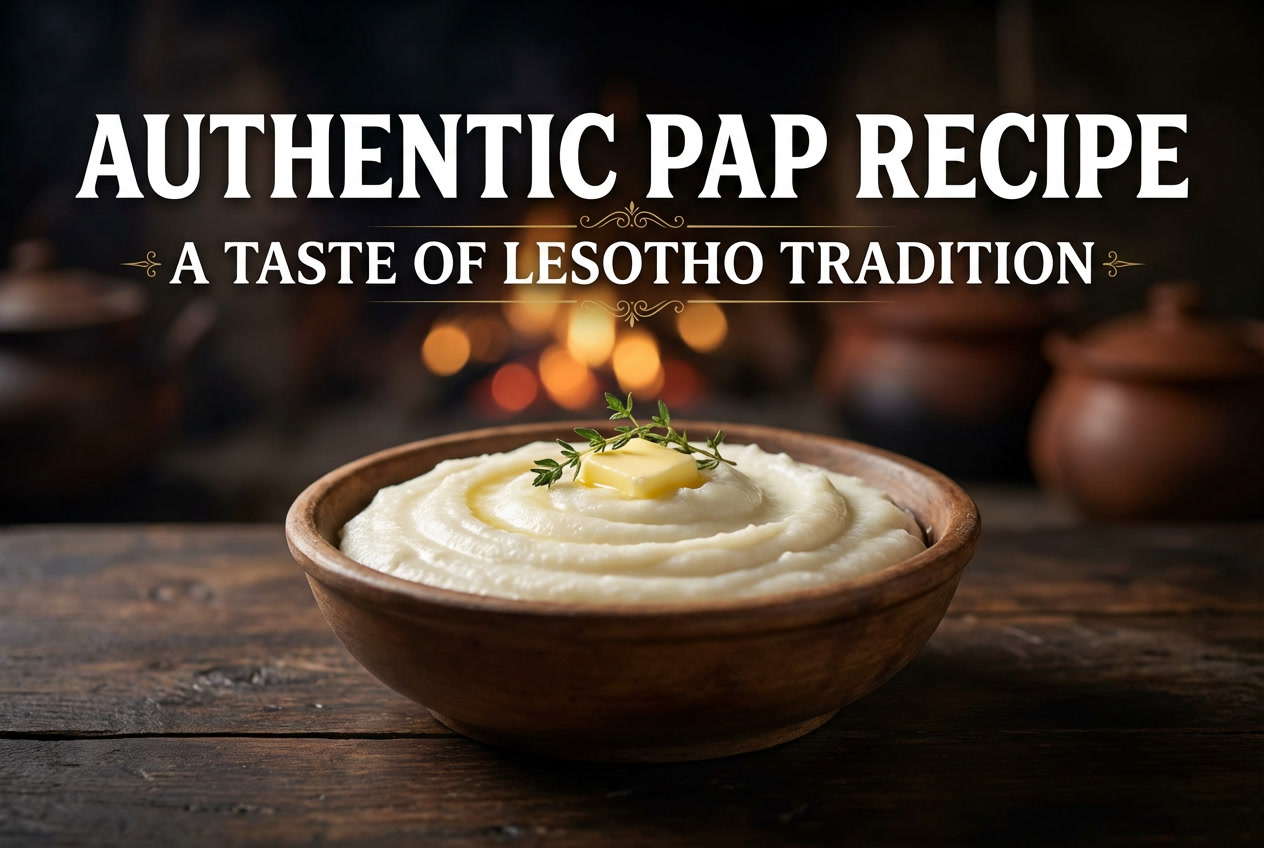
I’ll be honest—before I stumbled onto the pap recipeI figured polenta was as good as cornmeal could get. But after a trip to Lesotho, the Kingdom in the Sky, perched high in the mountains of Southern Africa, I realized I’d been missing out on one of the most comforting foods out there. Pap is a thick porridge made from maize meal and water—it’s the backbone of Basotho cuisine. Once you nail this Lesotho Pap recipe, you’ll get why it’s everywhere in Lesotho.
What makes pap so special isn’t complexity—it’s only got two or

What Is Lesotho Pap?
Pap is a thick cornmeal porridge that anchors Basotho meals every day. It’s simple and filling, and while you’ll find similar dishes across Africa, the Lesotho Pap recipe really does have its own thing going on.
Origins and Cultural Significance
I’ve learned that pap holds cultural significance as a symbol of sustenance and community in Lesotho, often called the Kingdom in the Sky. Corn arrived in Southern Africa centuries ago, and the Basotho people quickly made pap a staple.
The Basotho embraced it, making it the heart of almost every meal. It’s kind of amazing that a mix as basic as cornmeal and water became so central to daily mountain life.
What makes pap special isn’t fancy ingredients or complicated techniques. It’s about gathering around a shared pot—offering comfort and nourishment in a country where the landscape can be tough. This African comfort food can be soft or firm, depending on what you’re serving it with.
Common Names for Pap in Lesotho
The most common name I’ve heard is pap-pap, which honestly just makes me smile. Lesotho’s national dish is called pap-pap, though most people just call it pap or papa.
Sometimes folks call it Basotho pap to set it apart from similar dishes in neighboring countries. The double “pap-pap” might sound playful, but it’s serious business—this is Lesotho’s daily porridge, not just a side dish.
English translations like African porridge or maize meal porridge don’t quite capture the spirit of the real Lesotho Pap recipe, but you’ll see those names pop up too.

Essential Ingredients for Lesotho Pap
The beauty of a Lesotho Pap recipe is how simple it is. You just need cornmeal and water, plus a little salt. But, trust me, a few smart tweaks can really bring this humble porridge to life.
Choosing the Right Cornmeal
Not all cornmeal works for pap—take it from someone who’s tried the wrong kind. You want maize meal, which is finely ground white or yellow corn flour. That’s what gives the Lesotho Pap recipe its signature smooth texture.
White maize meal is what you’ll find in Lesotho and makes a milder, neutral base. Yellow maize meal adds a touch of sweetness, which I actually like more. Either way, go for fine-ground meal, not the coarse stuff.
Regular American cornmeal is too coarse and will leave you with gritty pap. Polenta can work if you’re desperate, but the grind varies a lot by brand. I’ve had the best luck with anything labeled “maize meal” or “mealie meal.”
The grind is everything. Pap-pap should be smooth and almost creamy. Coarse cornmeal just doesn’t cooperate.
Classic Pap Add-Ins and Variations
The traditional Lesotho Pap recipe sticks to maize meal, water, and salt. But I’ve found a few add-ins that keep the spirit while making things more interesting.
Garlic is a game-changer. It takes pap from bland to something I actually crave. Some cooks go heavy with it, though purists usually don’t bother.
Sugar creates a sweeter breakfast version—think cream of wheat vibes. Milk (swapping in for some of the water) makes the pap creamier and richer. And fresh corn kernels at the end? Adds texture and a nice pop of corn flavor.
When I want savory pap, I’ll add:
- Butter (just a pat on top)
- Salt (way more than you think you need)
- Chicken or veggie broth (swap in for half the water)
But honestly, the Lesotho Pap recipe is meant to be a blank canvas for stews and sauces, so simple is usually best.
Sourcing Ingredients Outside Lesotho
Getting the right maize meal outside Africa used to drive me up the wall. But here’s what I do now: check African or international grocery stores for brands from South Africa or elsewhere in Africa.
Online shops have maize meal now, too. Search for “white maize meal” or “mealie meal”—don’t just type “cornmeal” or you’ll get the wrong stuff.
If you’re desperate, fine-ground white cornmeal or instant polenta can fill in. I’ve made a Lesotho Pap recipe with Bob’s Red Mill corn grits/polenta before. It’s not perfect, but it works.
Latin American stores sometimes have masa harina, but skip that. It’s treated with lime and has a totally different flavor.
Water and salt are easy—just use what you have. No need to overthink those.
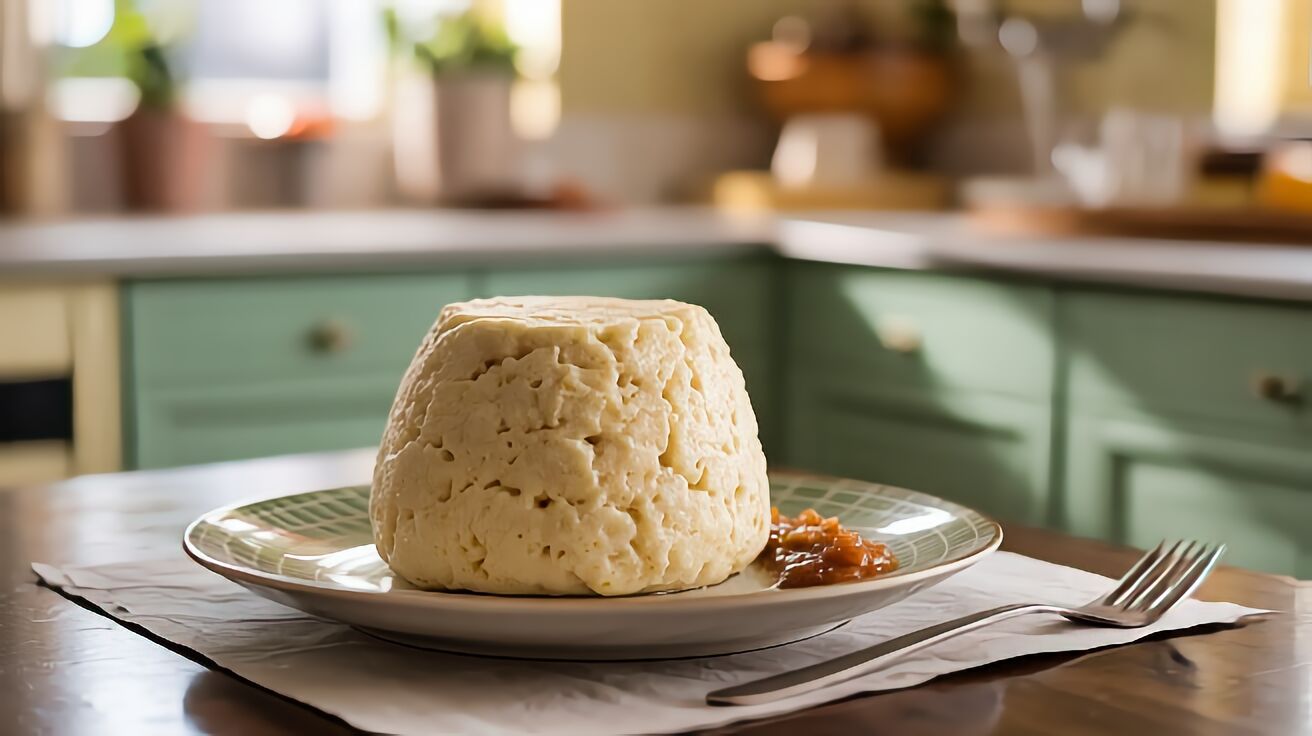
Step-By-Step Guide: Making Authentic Lesotho Pap
Making a Lesotho Pap recipe is really about patience and confidence. You only need two ingredients, but you’ve got to manage your heat and stir like you mean it—lumps are the enemy here.
Preparing the Maize Meal Mixture
I start by bringing 4 cups of water to a rolling boil in a heavy-bottomed pot. Trust me, thin pots will burn your pap faster than you can blink.
Once the water’s bubbling, I turn the heat down to medium-low. Then I slowly add 2 cups of maize meal while stirring constantly with a wooden spoon. The trick is to sprinkle the cornmeal in a thin stream—dump it all at once and you’ll regret it.
I learned this the hard way. Traditional pap is made from maize meal and water, and it seems simple until you’re staring at a pot full of lumps. Go slow, let each bit absorb water, then add more.
Perfect Pap Techniques (No Lumps Allowed!)
I fight lumps by stirring constantly for the first 3-5 minutes. A figure-eight motion with a wooden spoon works best. I scrape the bottom and sides of the pot, making sure nothing sticks.
Once the mixture thickens, I get more aggressive—pressing the spoon against any lumps and smashing them against the pot. Some folks use a whisk, but I like the control of a sturdy wooden spoon.
Let the mixture cook for 10-15 minutes after all the maize meal is in. I cover the pot between stirs to trap steam, which helps cook the pap evenly. Every couple of minutes, I lift the lid and give it a good stir to keep things from sticking.
You’ll know the Lesotho Pap recipe is done when the pap pulls away from the sides of the pot and looks smooth and glossy.
Pap Consistency: Creamy vs. Firm
The water-to-maize meal ratio decides if you get a breakfast porridge or the thick, polenta-like version Basotho folks love.
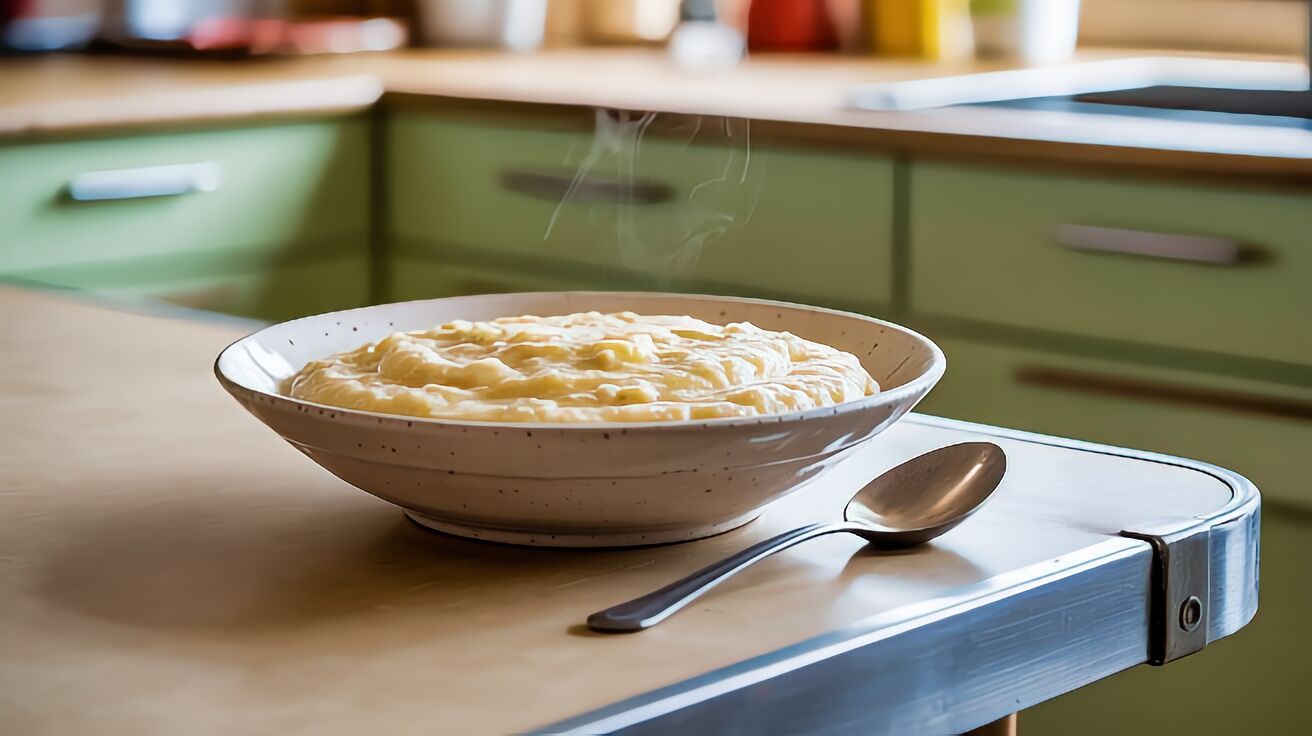
For creamy pap (great for breakfast), I use a 3:1 ratio of water to maize meal. You get a pourable, comforting dish—perfect with butter and milk. For firm pap, I stick to the 2:1 ratio.
Pap Consistency Guide:
- Soft/Creamy: 3 cups water to 1 cup maize meal (breakfast style)
- Medium: 2.5 cups water to 1 cup maize meal (versatile)
- Firm/Traditional: 2 cups water to 1 cup maize meal (classic Lesotho Pap recipe)
The firm style holds its shape when scooped and is usually served with stews and soups. I can even mold it into balls once it cools down a bit.
Tips for Reheating and Leftovers
Leftover pap turns into a solid brick in my fridge every single time, but that’s actually normal. I just cut it into slices and toss them in an airtight container—it keeps well for up to 3 days.
When it’s time to reheat, I splash in a bit of water or milk and microwave the pap in 30-second bursts, giving it a stir each time. The liquid brings back that creamy texture without making it soupy. If I’m feeling patient, I’ll reheat Lesotho Pap recipe leftovers on the stovetop with low heat, using about 1/4 cup of liquid per cup of pap.
Honestly, my favorite move is frying leftover firm pap in a little butter or oil until it gets crispy on both sides. Suddenly, yesterday’s Lesotho Pap recipe becomes a whole new breakfast. Sometimes I even crumble cold pap to use as makeshift breadcrumbs—definitely not traditional, but hey, it works.
Serving Suggestions: Lesotho Pap’s Best Friends
Pap really shines when you pair it with something saucy or spicy. From vegetable-packed stews to fiery pepper kicks, the right match turns a humble Lesotho Pap recipe into something memorable.
Classic Chakalaka and Vegetable Stews
I can’t talk about chakalaka and pap without grinning a bit. This combo is the MVP of Lesotho meals, no question.
Chakalaka brings everything pap lacks on its own—carrots, beans, tomatoes, and onion all stewed together. Curry powder adds a gentle warmth, not too spicy.
When I spoon chakalaka over a fresh Lesotho Pap recipe, the creamy cornmeal soaks up all those savory juices. They’re basically made for each other.
The veggies stay tender, and the beans give it some heft. The best part? That tomato-rich sauce seeps into every bite of pap.
Other Basotho Pap Pairings
Chakalaka is classic, but honestly, pap works with just about any hearty stew. Pap le Nama ya Kgomo pairs the cornmeal with beef stew for a filling, protein-rich meal. I treat the Lesotho Pap recipe like edible silverware, scooping up all the gravy and meat.
Bean stews are awesome if you want something vegetarian. Spinach in tomato sauce is another go-to. Pretty much any savory stew or sauce that needs a neutral base goes great with pap.
Sometimes, I serve pap with just simple veggie sides if I’m in the mood for something lighter. The only must? Add moisture, since pap (especially a classic Lesotho Pap recipe) can be dry on its own.
Spicy Sides: Chakalaka, Scotch Bonnet Peppers & More
My taste buds wake up when I add some heat to my Lesotho Pap recipe meals. Traditional chakalaka with pap can go from mild to wild, depending on your pepper mood.
Some folks toss in scotch bonnet peppers for a real kick. I usually stick with milder peppers, but I admire anyone who can handle the heat.
Spicy additions that work well:
- Fresh chili peppers stirred into veggie stews
- Hot sauce drizzled on top
- Curry powder in chakalaka (a teaspoon or two does the trick)
- Cayenne pepper if you want to control the burn
The best part about a Lesotho Pap recipe is how it cools down spicy foods. When my mouth’s on fire, a big bite of plain pap brings instant relief. It’s kind of genius, honestly.
Eat the World: Pap Beyond Lesotho
I’ve noticed pap shows up all over Southern Africa, just with different names. What folks in Lesotho call papa, people in South Africa might call mealie pap or putu. Funny how food travels, right?
The basics for any Lesotho Pap recipe stay pretty straightforward: maize meal, water, a pinch of salt. Nothing fancy, but somehow it always feels like comfort food. Every region throws in its own spin, usually with what they serve alongside. Sometimes it’s spicy relish, sometimes it’s greens, and sometimes it’s just whatever’s on hand.
If you ever find yourself at makhangoa community camp, you can dig into a Lesotho Pap recipe made the way locals do it. Those kinds of meals really highlight how a simple dish can tie a bunch of cultures together.
I can’t help but marvel at how this Lesotho Pap recipe pops up everywhere I go. Whether I’m fussing over it in my own kitchen or trying it somewhere new, the heart of it never really changes. Maybe that’s the magic—good pap, good people, and always some new twist to try. If you’re hunting for a classic Lesotho Pap recipe, you’ll find endless variations, but the soul stays the same. Makes me wonder: is there any comfort food more universal?
Pap vs Sadza vs Ugali
Pap, sadza, and ugali are all maize-based staples that form the backbone of many African diets, yet each has subtle differences in texture and cultural context. Pap, commonly eaten in Lesotho and South Africa, is often softer and can range from smooth porridge to a thicker, crumbly consistency depending on how it’s prepared.
Sadza, popular in Zimbabwe, is typically firmer and denser than pap. It is designed to be rolled into balls and used to scoop up stews and vegetables. Its slightly heavier texture makes it more filling, and it’s often considered a central part of daily meals.
Ugali, widely consumed in East Africa (especially Kenya and Tanzania), is the firmest of the three. It has a stiff, dough-like consistency and is usually served alongside sukuma wiki (greens) or meat dishes. Comparing pap vs sadza vs ugali highlights regional differences in maize preparation, with pap being the softest, ugali the firmest, and sadza sitting somewhere in between.
Lesotho Pap Recipe FAQ
1. What is pap made from?
Pap is made from maize meal (cornmeal) cooked with water into a thick porridge.
2. What texture should pap have?
Pap is usually thick and firm enough to hold its shape when scooped.
3. How is pap traditionally eaten?
It’s often eaten by hand and served with stews, meat, or vegetables.
4. Can pap be made soft instead of firm?
Yes, adding more water creates a softer porridge-style pap.
5. Is pap similar to polenta?
Yes, both are made from cornmeal, but pap is typically thicker and simpler.

Authentic Pap
Ingredients
- 1½ cups cornmeal fine (or polenta or grits), white or yellow
- 4 cups water divided
- 2 Tbsp butter optional
- 1 tsp sea salt fine
Instructions
- Pour 3 cups of the water into a large, heavy-based pot and bring it to a steady, rolling boil over medium-high heat.
- In a small bowl, stir together the cornmeal and the remaining 1 cup of water until smooth. This helps prevent lumps when it’s added to the pot.
- Slowly pour the cornmeal mixture into the boiling water, stirring continuously. Return the mixture to a gentle boil.
- Reduce the heat to medium and cook for about 20 minutes, stirring occasionally to prevent sticking.
- When the pap begins to plop and spatter, cover the pot with a splatter screen or place the lid slightly ajar to allow steam to escape.
- Continue cooking until the pap reaches your desired thickness. It needs at least 20 minutes to fully cook the cornmeal grains.
- Stir in the butter (if using) and the salt. Remove from the heat and serve warm.
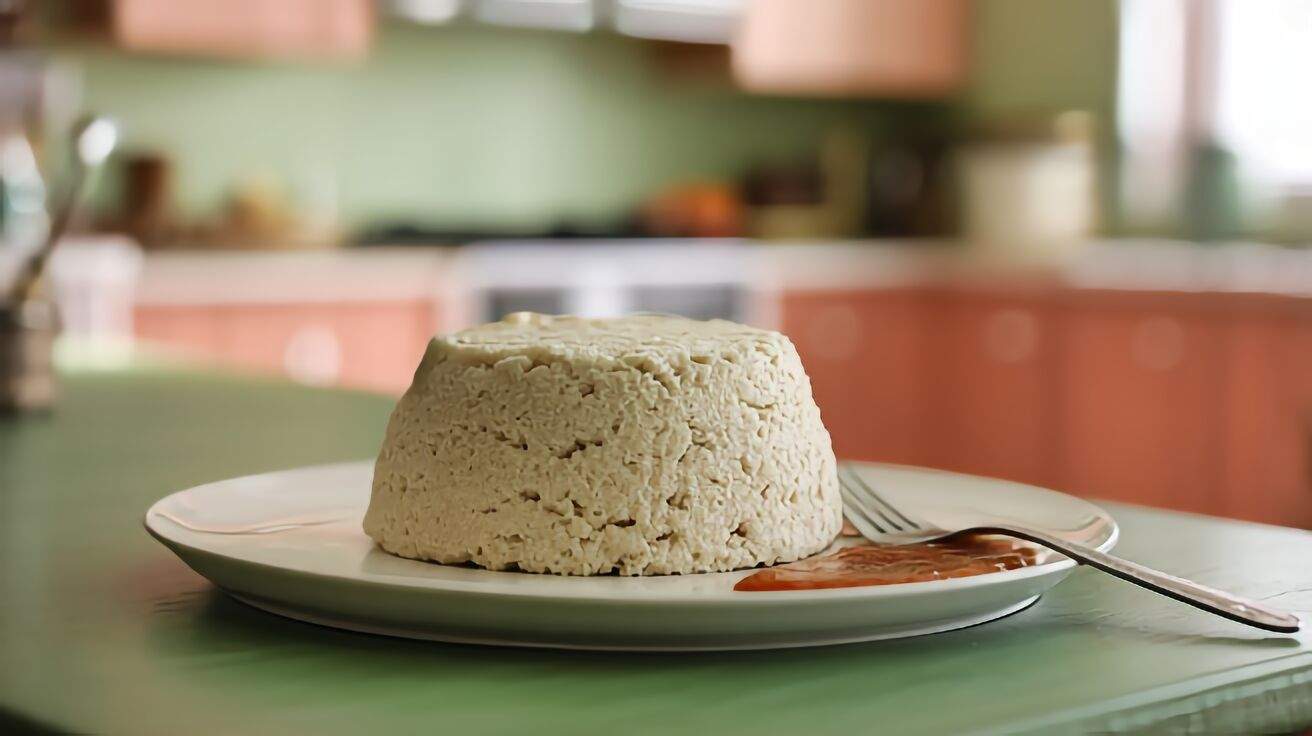

5 comments
Isnt it fascinating how food like Lesotho Pap can hold such cultural significance? Could this be a key to understanding African society better?
Interesting read! Does anyone know if theres a significant taste difference between Lesotho Pap and other African variations?
Interesting read! But Im curious, how does the taste of Lesotho Pap compare to other African comfort foods?
Interesting read! But why not delve into the nutritional aspects of Pap? Its such an integral part of the African diet.
Interesting read! But, is it possible to substitute maize meal in Lesotho Pap with another grain due to dietary restrictions?
Comments are closed.